
Am I the Right Candidate, and How Do I Choose the Correct Relaxer for My Hair Type and Texture?
Hair Blog 2020 | By Althea R. Gooden, Board Certified Trichologist
In last week’s article, we discussed the importance of preparing your hair before a relaxer, protecting the scalp during the service, applying the relaxer correctly, thoroughly rinsing, reconstructing, neutralizing, and rebuilding the hair after the chemical service.
This week, let’s go one step further:
Should you actually be relaxing your hair—and if you are a candidate, are you using the right relaxer for your hair?

A relaxer is not simply a product you choose because you want straighter hair. It is a chemical service that changes the structure of the hair and can increase fragility and breakage when improperly selected or applied. (PubMed)
That is why hair condition comes before hair texture.
Am I the Right Candidate for a Relaxer?
Before choosing a relaxer, your hair and scalp should be professionally assessed.
You may be a suitable candidate if:
- Your scalp is healthy and free from irritation, open sores, or chemical burns.
- Your hair has reasonable strength and elasticity.
- Your hair is not experiencing excessive breakage.
- Your previous chemical services have been properly maintained.
- You understand that a relaxer permanently changes the treated hair.
- You are willing to maintain your hair with appropriate conditioning and strengthening treatments.
- You have sufficient new growth for a professional touch-up.10-12 weeks.
A relaxer may not be appropriate if your hair is severely damaged, breaking excessively, or your scalp is irritated or compromised.
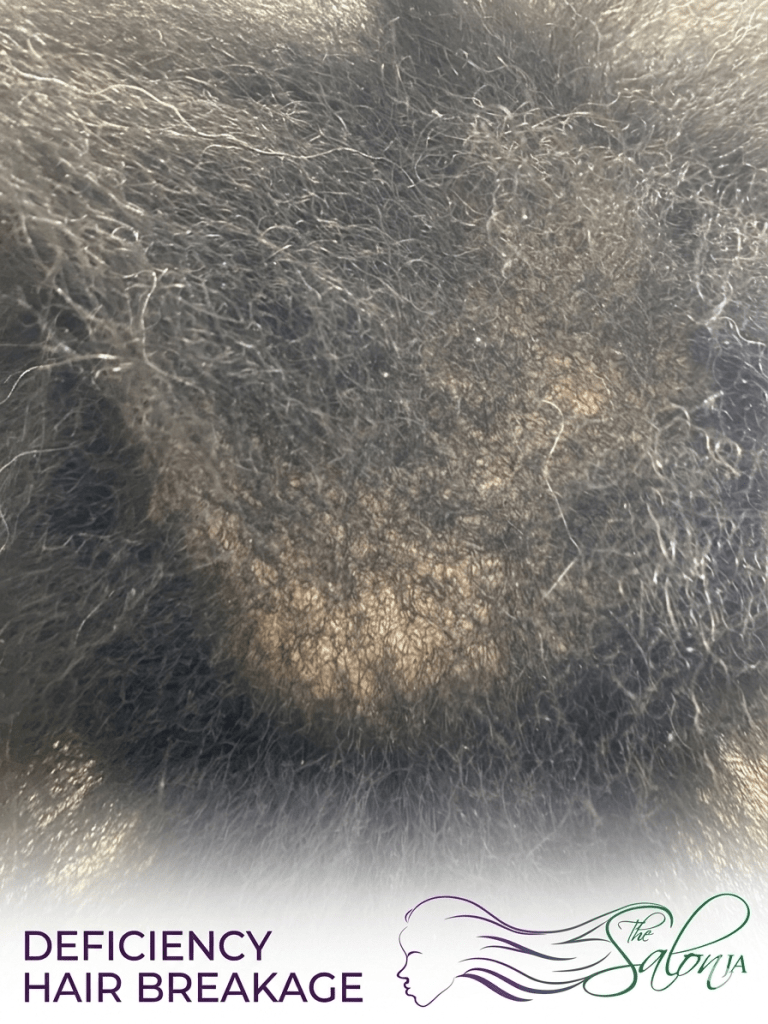
If you are experiencing unexplained thinning or hair loss, the priority should be finding the cause rather than automatically applying another chemical service. Trichologist or Dermatologists recommend professional evaluation when hair loss or thinning is present. (American Academy of Dermatology)
Remember:
Just because you want a relaxer doesn’t mean your hair is ready for one.
Hair Type Is Not the Same as Hair Texture
This is an important distinction.
People often say, “My hair is thick, so I need a super relaxer.”
Not necessarily.
The overall amount or density of hair on your head is different from the diameter of each individual strand.
You can have:
- A lot of hair with fine strands
- A lot of hair with medium strands
- A lot of hair with coarse strands
- A small amount of hair with coarse strands
Therefore, density alone should never determine relaxer strength.
A professional should assess the individual strands, curl pattern, resistance, elasticity, porosity, previous chemical processing, and overall condition of the hair.

Some professional guidance also recommends a strand test when determining the most appropriate relaxer strength. (Hair.com)
Choosing the Correct Relaxer Strength
Relaxers are commonly available in different strengths, such as:
Fine / Mild
Generally considered for hair with finer strands or hair that requires less processing.
Fine hair can be especially vulnerable to overprocessing, so using a stronger relaxer simply because you want the hair very straight can create unnecessary damage.
Regular / Medium
May be appropriate for medium-textured hair when the hair and scalp are healthy and the product directions support its use.
Super / Strong
Generally intended for more resistant, coarse hair—but coarse does not automatically mean super strength.
A person can have dense hair that is actually composed of fine strands.
That is why choosing relaxer strength should be based on a professional assessment rather than simply looking at how much hair you have.
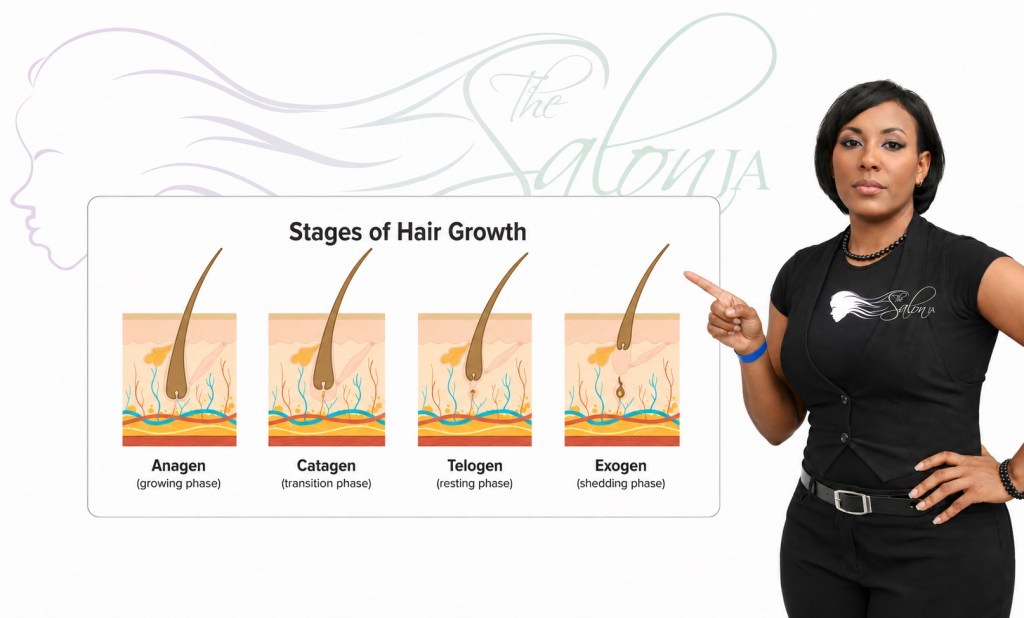
Some relaxer manufacturers and professional guides specifically categorize formulas by fine, regular, and coarse/resistant hair. (CosmoProf)
Do You Need Your Hair Completely Straight?
Another important question is:
How straight do you actually want your hair?
The goal of a relaxer service should not automatically be to remove every trace of your natural texture.
Overprocessing can compromise the hair.
The professional should discuss your desired result and select a formula and processing approach appropriate for your hair’s condition and the manufacturer’s instructions.
Your healthiest result may not be the straightest result.
What About Color-Treated Hair?
Color-treated hair requires additional caution.
If your hair has been colored, highlighted, bleached, or otherwise chemically processed, the professional must consider the cumulative effect of those services before deciding whether a relaxer is appropriate.
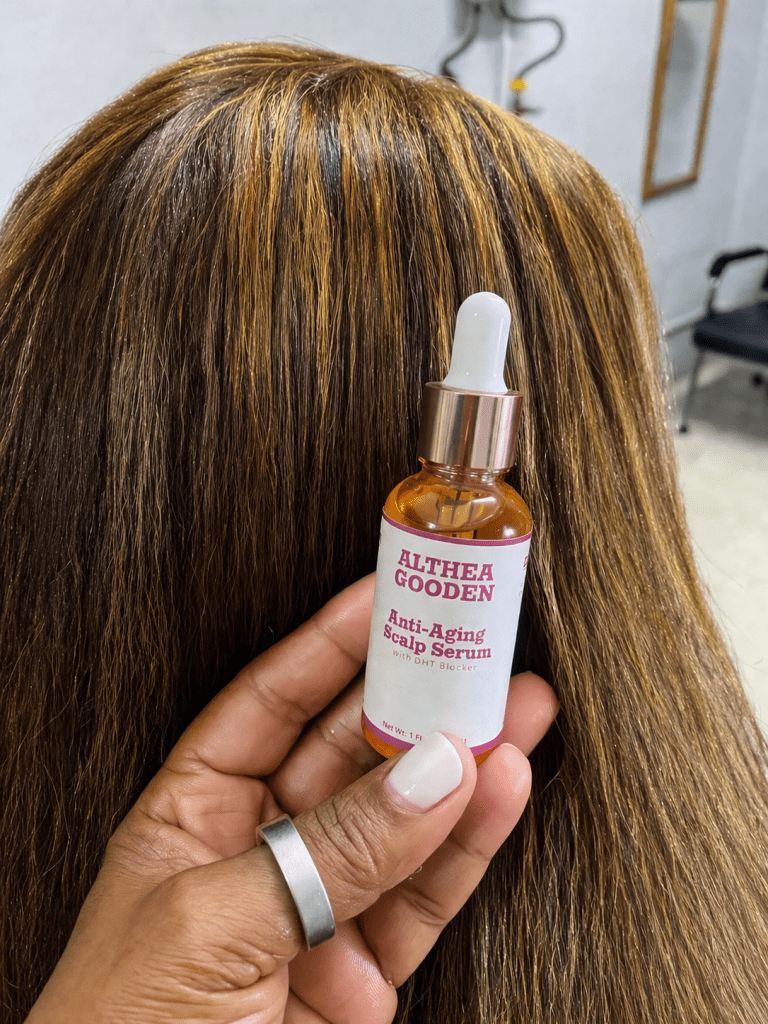
Coloring and relaxing both have the potential to weaken the hair, so combining chemical services without appropriate planning can increase the risk of damage. Trichologist or cosmetologist  recommend allowing adequate time between chemical services and taking steps to minimize damage. (American Academy of Dermatology)
Your stylist should know everything that has been done to your hair—not just what you did at the last appointment.
The Scalp Must Be Considered
Your scalp is living tissue.
A relaxer should never be applied over a scalp that is irritated, scratched, inflamed, or injured.
If you experience significant burning or pain during a chemical service, the service should not simply be continued because “beauty is pain.”
Dermatology guidance specifically recommends stopping and rinsing a chemical service if excessive burning or stinging occurs. (American Academy of Dermatology)
Burning is not a sign that the relaxer is working better.
The Professional Consultation
Before your relaxer appointment, your professional should evaluate:
1. Hair texture
Fine, medium, or coarse strands.
2. Hair density
How much hair is present—not the same thing as strand thickness.
3. Elasticity
How well the hair stretches and returns.
4. Porosity
How the hair absorbs and retains moisture.
5. Hair strength
Whether the hair can tolerate another chemical service.
6. Previous chemical history
Relaxer, color, bleach, permanent waves, keratin/straightening services, and other treatments.
7. Scalp condition
Any irritation, inflammation, wounds, tenderness, or other concerns.
8. Desired result
How much curl reduction you actually want.
A Strand Test Can Tell You More
When appropriate, a professional may perform a strand test before proceeding.
This can provide useful information about how the hair responds to the selected formula and processing approach.
A strand test is particularly valuable when:
- The hair is previously processed.
- The texture is uncertain.
- The hair has been colored.
- The hair feels weak or fragile.
- You are changing relaxer systems.
- You are unsure which strength is appropriate.
Never experiment with relaxer strength simply because someone else’s hair responded well to it.
Your hair is individual.
The Relaxer Rule I Want Every Client to Remember
NEW GROWTH ONLY.
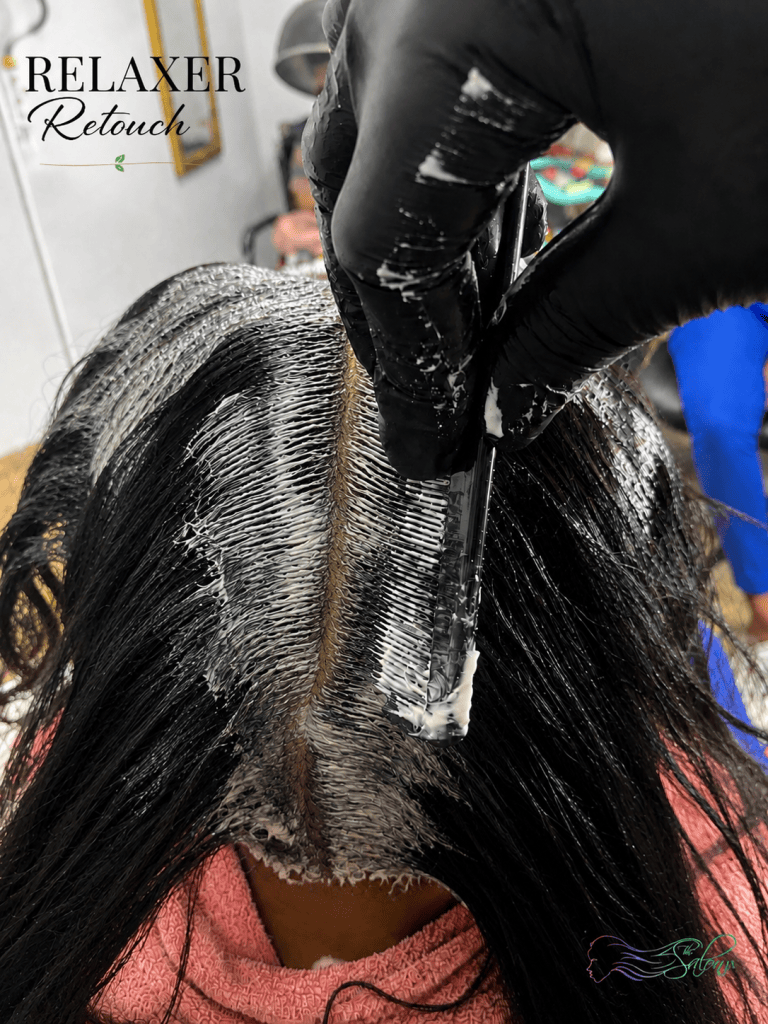
A relaxer touch-up should be applied to the new growth rather than repeatedly overlapping previously relaxed hair.
Repeated chemical exposure to already-relaxed hair can contribute to weakening and breakage. The American Academy of Dermatology specifically recommends that relaxer touch-ups be performed professionally and applied only to newly grown hair. (American Academy of Dermatology)
Your Relaxer Should Be Part of a System
A healthy relaxer program is not:
Relax → style → forget about your hair until the next appointment.
Instead:
BEFORE
Assess → prepare → strengthen → protect.
DURING
Select appropriately → protect the scalp → apply precisely → monitor → rinse thoroughly → reconstruct → neutralize.
AFTER
Condition → moisturize → strengthen → protect → monitor for breakage.
BETWEEN SERVICES
Maintain the scalp and hair → minimize excessive heat and tension → protect the ends → address breakage early.
Final Thoughts From Your Trichologist
Before you ask:
“Which relaxer should I buy?”
Ask:
“Am I the right candidate for a relaxer?”
Then ask:
“What is the condition of my hair and scalp?”
And finally:
“Which relaxer strength is appropriate for MY hair—not someone else’s hair?”
A relaxer can provide manageability and a beautiful finish, but it must be approached with respect for the biology and structure of the hair.
The goal isn’t simply relaxed hair. The goal is healthy, strong, well-maintained relaxed hair.
If your hair is thinning, breaking, or showing significant changes in texture or density, don’t try to cover the problem with another chemical service. Seek appropriate professional evaluation. (American Academy of Dermatology)
For more information on healthy hair and scalp practices, continue reading Hair Blog 2020 at:

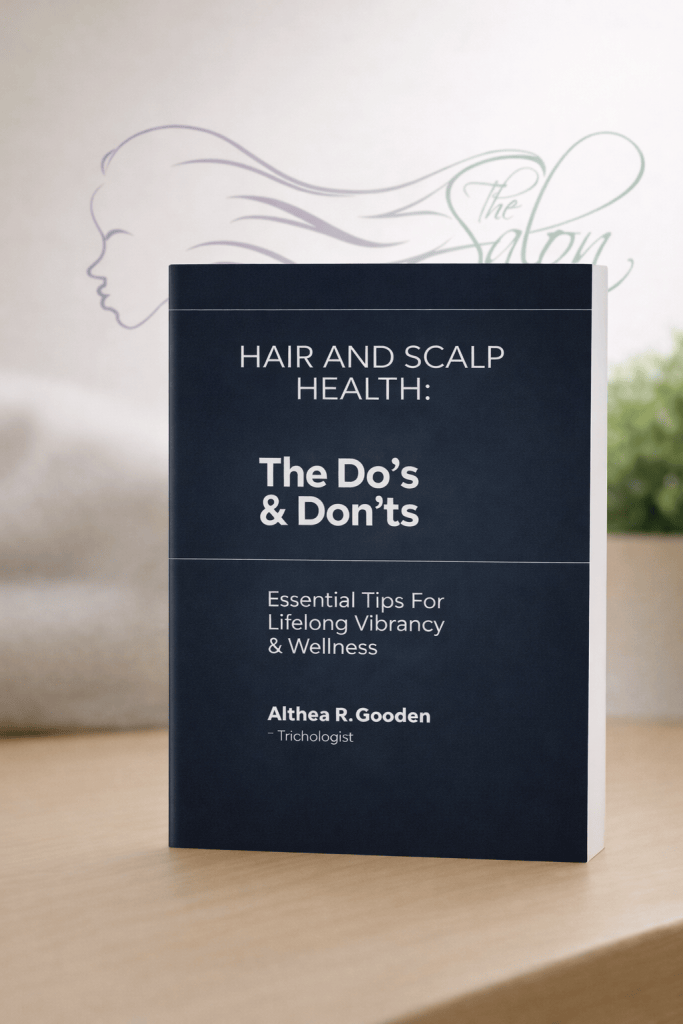
And for more detailed education, look for Hair & Scalp Health Do’s & Don’ts: Essential Tips for Lifelong Vibrancy and Wellness on Amazon.