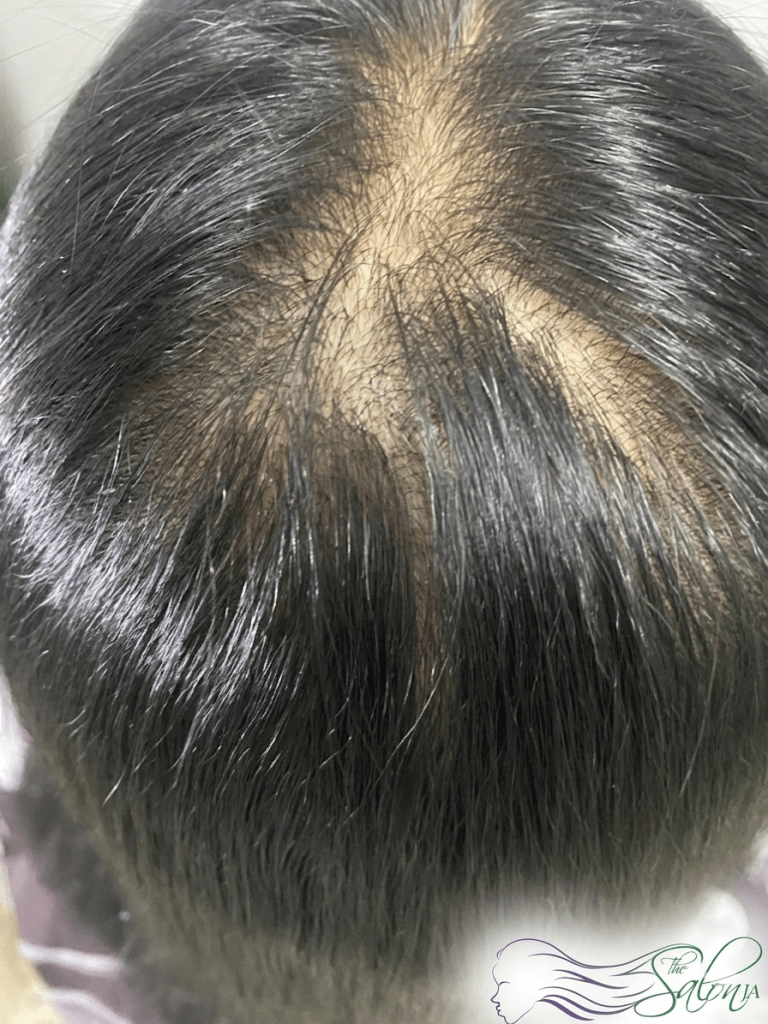
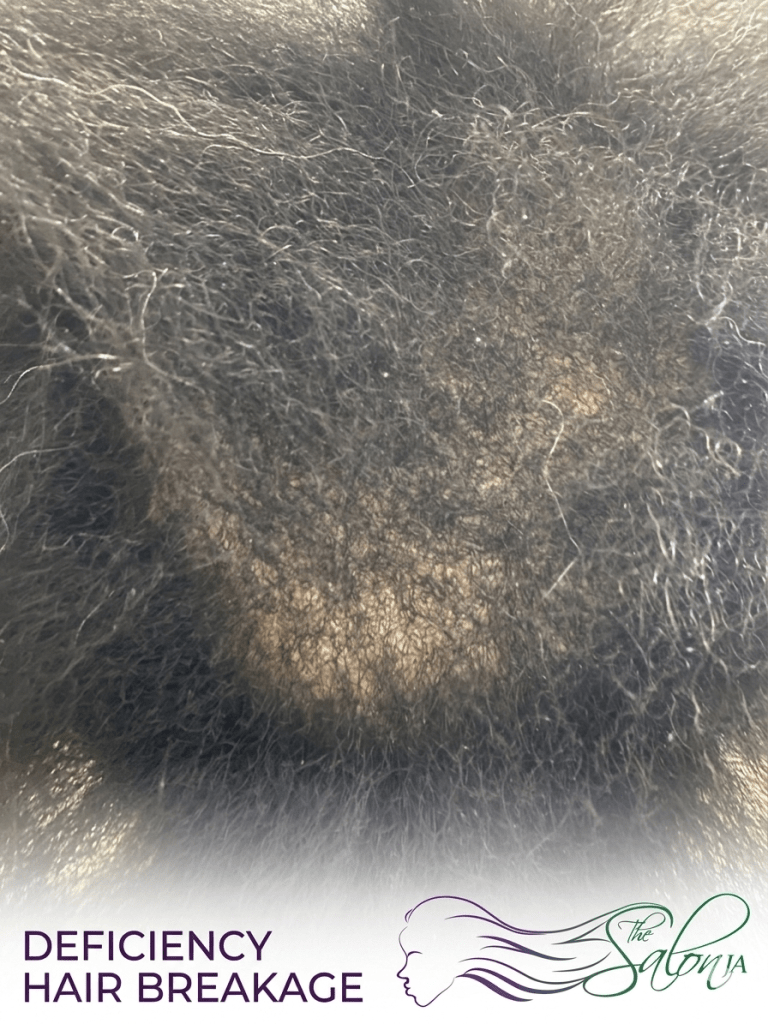
Healthy hair begins long before you choose a shampoo or book a salon appointment. Every strand of hair is built from the nutrients your body receives daily. Whether your hair is natural, relaxed, colour-treated, bleached, or heat-styled, it cannot thrive if your body is deficient in the essential vitamins, minerals, proteins, and healthy fats required for healthy hair production.
One of the biggest misconceptions is that chemically processed hair is the only hair that breaks. The truth is that any hair—natural or chemically altered—can become dry, brittle, and prone to breakage when the body lacks proper nutrition. Hair is a non-essential tissue, meaning your body will always supply nutrients to vital organs first. When nutritional deficiencies occur, your hair and scalp are often among the first places to show the warning signs.
A balanced diet rich in lean protein, iron, zinc, omega-3 fatty acids, Vitamin D, Vitamin C, B-complex vitamins (where appropriate), magnesium, and other essential minerals supports healthy hair growth, stronger strands, and a healthier scalp environment. Drinking adequate water is equally important, as dehydration contributes to dry, lifeless hair.
Choosing the Right Hair Care Products
Nutrition works from within, while proper hair care protects the hair externally. Selecting the correct shampoo, conditioner, and treatment line is essential. Every scalp and hair type has different needs. A dry scalp requires different care than an oily scalp, and damaged, colour-treated hair requires different products than healthy virgin hair.
Using harsh shampoos or products that are unsuitable for your hair can strip away natural oils, weaken the hair shaft, irritate the scalp, and increase breakage. Preventative treatments,including scalp detoxification, rebuilding and bonding treatment, balancing moisture restoration, and regular professional assessments-help maintain healthy hair before problems become severe.
The Hidden Effects of Stress
Stress is one of the most common causes of excessive hair shedding. Emotional stress, physical trauma, surgery, childbirth, or significant life events can disrupt the normal hair growth cycle, pushing more hairs into the shedding phase. This condition, known as telogen effluvium, often appears several months after the stressful event.
Managing stress through adequate sleep, regular exercise, proper nutrition, and relaxation techniques benefits both your overall health and your hair.
Medications and Illness
Many medications and medical conditions can affect hair growth. Treatments for high blood pressure, thyroid disorders, diabetes, autoimmune diseases, chemotherapy, hormonal imbalances, and certain antidepressants may contribute to thinning hair or increased shedding.
Illnesses such as iron deficiency, vitamin deficiencies, scalp disorders, chronic inflammation, and hormonal changes can also interrupt the normal hair growth cycle. As Trichologists, our role is not simply to treat the hair—we investigate the underlying causes and develop a personalised treatment plan based on the individual’s health history, scalp condition, lifestyle, and nutritional status.
Healthy Hair Starts from Within
Beautiful hair is not achieved by products alone. Healthy hair is the result of proper nutrition, consistent scalp care, the correct hair care regimen, stress management, and addressing underlying medical conditions when necessary.
Remember, your hair is often a reflection of your internal health. When your body is nourished, your scalp is healthy, and your hair care routine is appropriate, your hair has the best opportunity to grow stronger, healthier, and more resilient.
Your hair tells a story,listen to what it is trying to say.