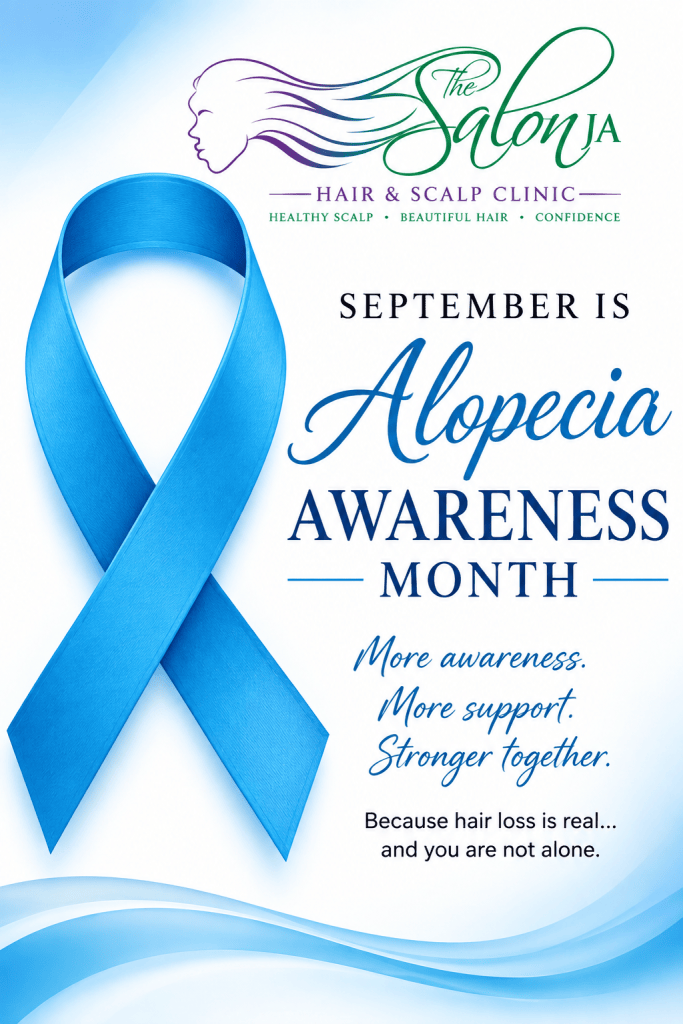
September is Alopecia Areata Awareness Month! a time to educate, create understanding, reduce stigma and remind anyone experiencing hair loss that they are not alone.
Hair loss is more than losing strands of hair. For many people, it can affect confidence, self-esteem, emotional wellbeing and the way they see themselves.
At The Salon Hair & Scalp Clinic JA, we believe that hair loss should never be ignored or hidden. It should be investigated.
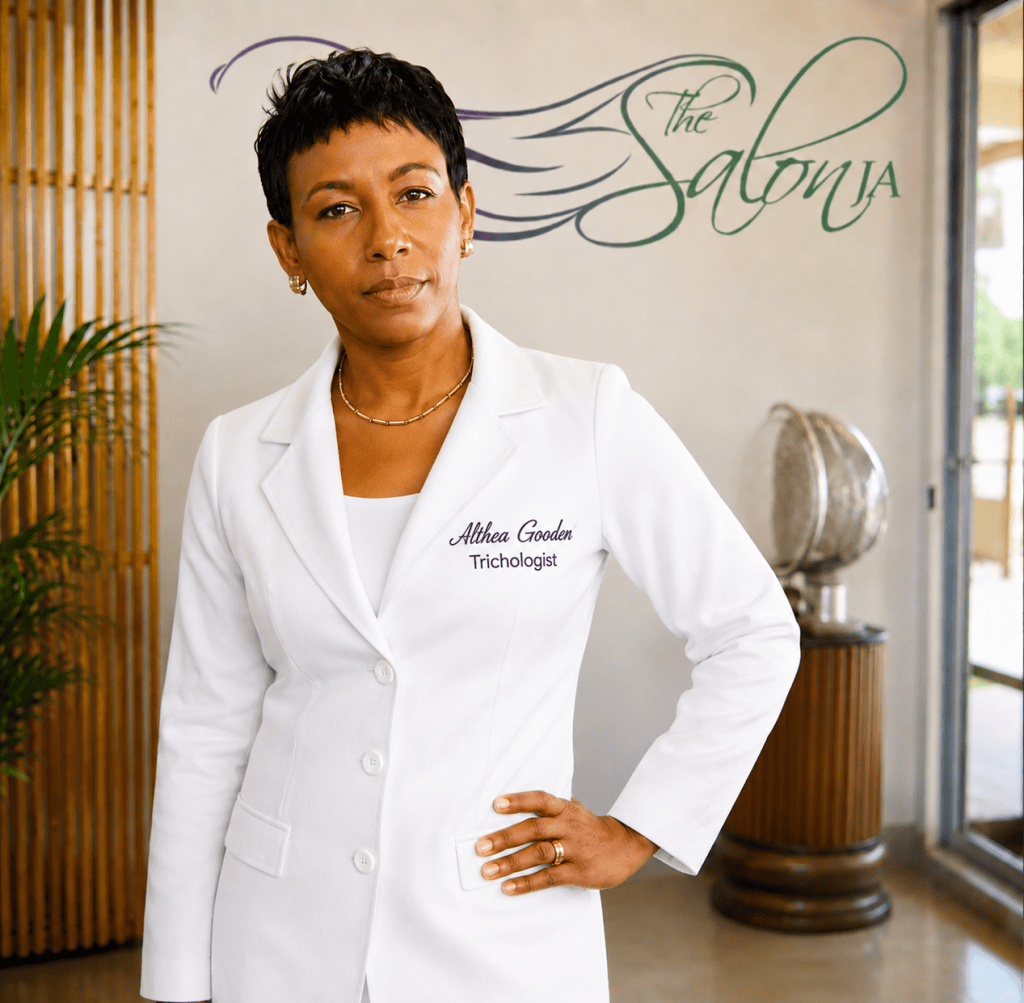
As a Board-Certified Trichologist, my goal is to help clients understand what is happening to their hair and scalp, identify possible contributing factors and develop an appropriate hair and scalp-care plan.
What Does Alopecia Mean?
Alopecia is the medical term for hair loss. It is not one single condition.
There are many different forms of alopecia, and they can have very different causes. Hereditary hair loss, alopecia areata, traction alopecia, central centrifugal cicatricial alopecia (CCCA), frontal fibrosing alopecia and other forms of hair loss require different approaches.
The American Academy of Dermatology emphasizes that determining the cause of hair loss is important because treatment and the possibility of regrowth depend on the underlying condition. (American Academy of Dermatology)
Alopecia Areata
Alopecia areata is an autoimmune form of hair loss. The immune system mistakenly attacks hair follicles, resulting in hair loss.
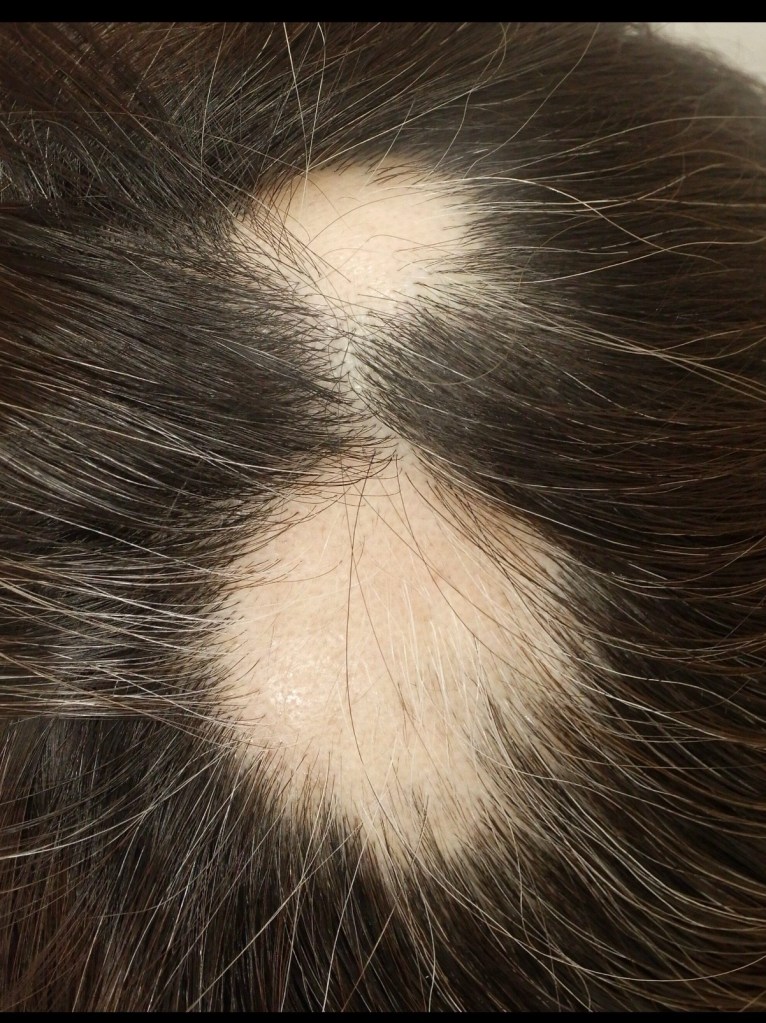
It can appear as sudden, smooth, round or oval patches on the scalp. In some individuals, it may affect the eyebrows, eyelashes or other areas of the body. (American Academy of Dermatology)
Alopecia areata can look different from person to person. Some experience small patches, while others may lose most or all of their scalp hair or, more rarely, hair throughout the body.
Your hair loss does not define your beauty, your femininity, your masculinity or your worth.
Traction Alopecia: When Styling Becomes a Problem
Hair styling can also contribute to hair loss.
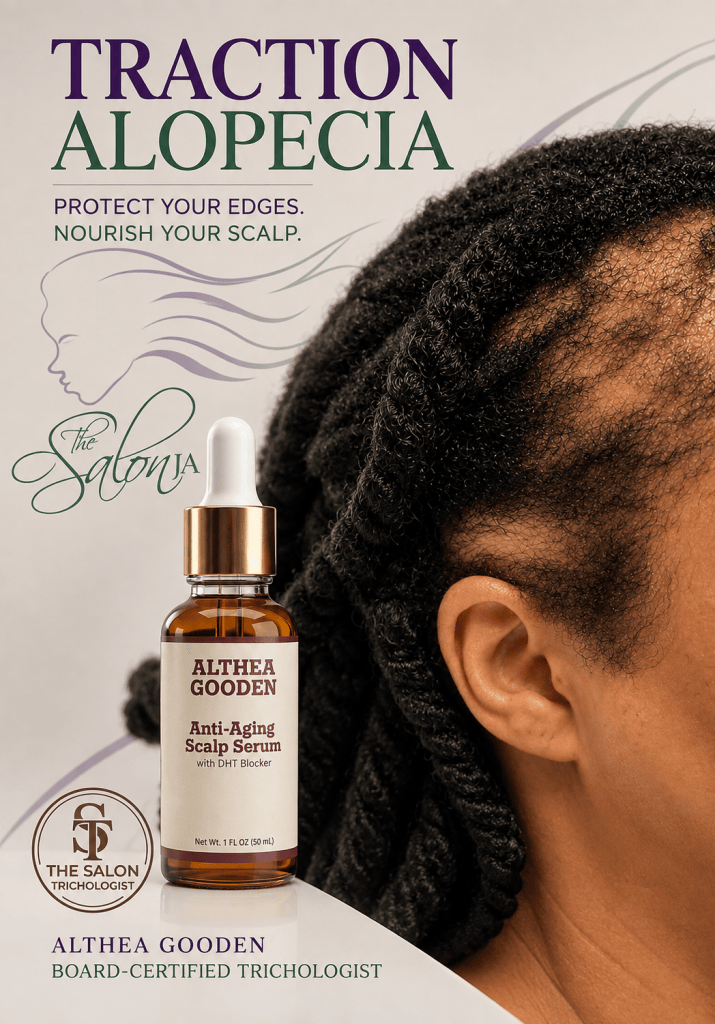
Repeated tension from tight ponytails, braids, extensions, cornrows, buns and other styles can place stress on the hair follicles. This can lead to traction alopecia. If the pulling continues for a long period, the hair loss may become permanent. http://www.altheagooden.com
This is why healthy hair care is not simply about making the hair look beautiful today.
We have to think about the health of the scalp and follicles underneath the style.
Pay attention to warning signs such as:
- Tenderness after styling
- Burning or stinging
- Small bumps around the hairline
- Broken hairs around the edges
- Thinning temples
- A receding hairline
- Increased shedding
- Areas becoming progressively thinner
Pain is not a sign that a hairstyle is working.
CCCA and Scarring Alopecia
Central centrifugal cicatricial alopecia, commonly called CCCA, is particularly important to understand because it can destroy hair follicles and result in permanent hair loss.
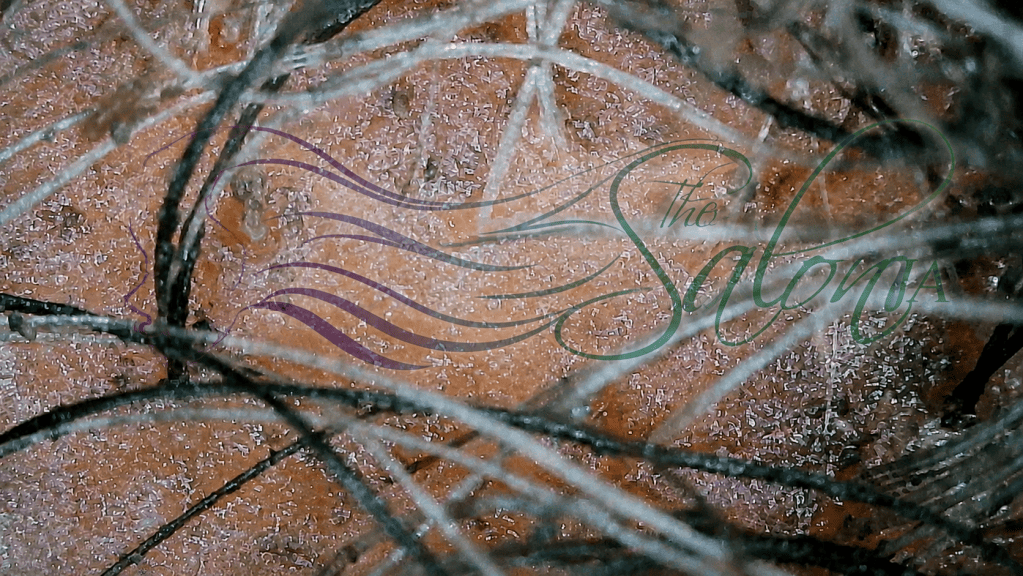
CCCA often begins around the crown or center of the scalp and can gradually expand outward. Early recognition and medical treatment may help prevent further progression.
This is one reason why simply treating the hair shaft is not enough.
We must look at the scalp.
If a client notices progressive thinning, scalp tenderness, burning, itching, inflammation or changes in the appearance of the scalp, professional assessment should not be delayed.
Hormones, Nutrition, Health and Hair Loss
Hair follicles are influenced by the overall environment of the body.
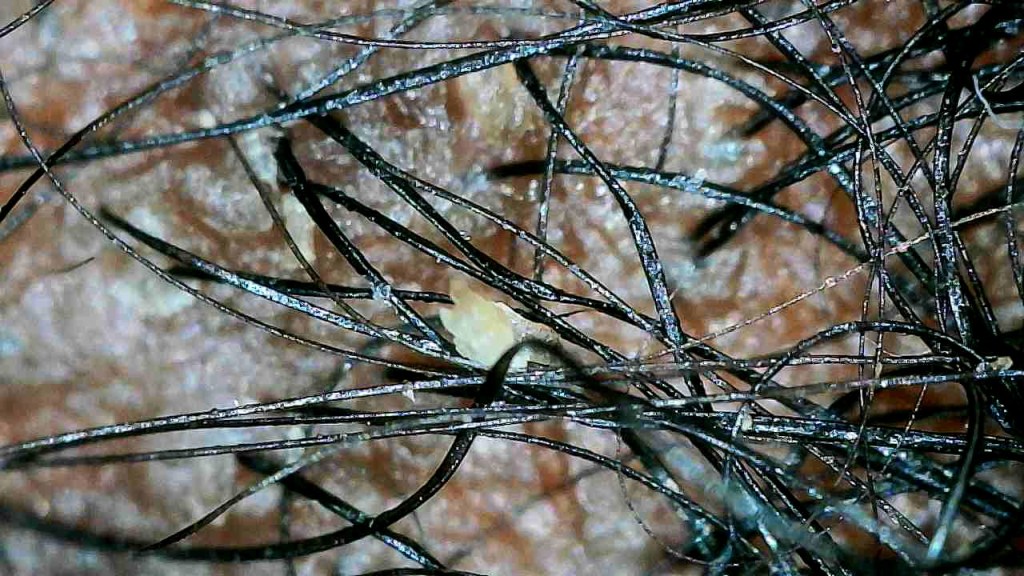
Hair loss may occur alongside hormonal changes, thyroid problems, nutritional deficiencies, illness, certain medications, major stressors and other health conditions. For example, the AAD identifies thyroid disease and inadequate intake of nutrients such as iron, protein and zinc among possible contributors to hair loss. (American Academy of Dermatology)
This does not mean that everyone experiencing hair loss has a vitamin deficiency.
It means we should not automatically assume that one product, one vitamin or one treatment is the answer.
The cause matters.
That is why a proper consultation and, where appropriate, referral to a Trichologist, dermatologist or medical professional can be an important part of the hair-loss journey.
The Salon Hair & Scalp Clinic JA Approach
At The Salon Hair & Scalp Clinic JA, we look beyond the hairstyle.
Our approach is centred around understanding the relationship between the hair, scalp, follicles, lifestyle, hair practices and overall wellbeing.
A scalp assessment can help identify concerns that may otherwise be overlooked.
We encourage clients to become familiar with their own scalp.
Ask yourself:
Does my scalp itch? Is it tender? Is it excessively dry or oily? Am I experiencing increased shedding? Is my hairline becoming thinner? Do I see changes at my crown? Am I experiencing breakage or true hair loss? Has my hair changed suddenly?
These questions can be important clues.
There Is No One-Size-Fits-All Solution
One of the biggest messages I want to share during Alopecia Awareness Month is this:
There is no universal solution for hair loss.
No two scalps are exactly alike.
What works for one person may not be appropriate for another because the cause of hair loss may be completely different.
The first step should be understanding what you are dealing with.

Do not wait until the problem becomes severe before seeking professional guidance. Some forms of hair loss respond better when addressed early, particularly conditions involving inflammation or destruction of the follicle.
Education Is Part of Treatment
Alopecia Awareness Month gives us an opportunity to change the conversation.
Instead of asking:
“What happened to your hair?”
we can ask:
“How can I support you?”
Instead of hiding hair loss, let’s encourage people to seek information.
Instead of trying every internet remedy, let’s encourage proper assessment.
Instead of judging someone’s appearance, let’s remember that hair loss can be an emotional experience.
This September, Let’s Talk About Alopecia.
If you are experiencing hair loss, thinning, excessive shedding, scalp discomfort or changes to your hairline, don’t ignore the signs.
Listen to your scalp. Learn about your hair. Seek the right professional guidance. Start early.
The Salon Hair & Scalp Clinic JA is committed to creating greater awareness about hair and scalp health and helping clients make informed decisions about their hair-loss journey.
Read More
For more information about hair and scalp health, visit:
You can also explore my book:
“Hair and Scalp Health Do’s & Don’ts: Essential Tips for Lifelong Vibrancy and Wellness.”
Knowledge is the beginning of better hair and scalp care.
Alopecia Awareness Month — September
The Salon Hair & Scalp Clinic JA
Althea Gooden — Board-Certified Trichologist
Educational information only. Hair loss has many possible causes. A qualified healthcare professional or trichologist should evaluate suspected medical or scarring alopecia and determine appropriate treatment.