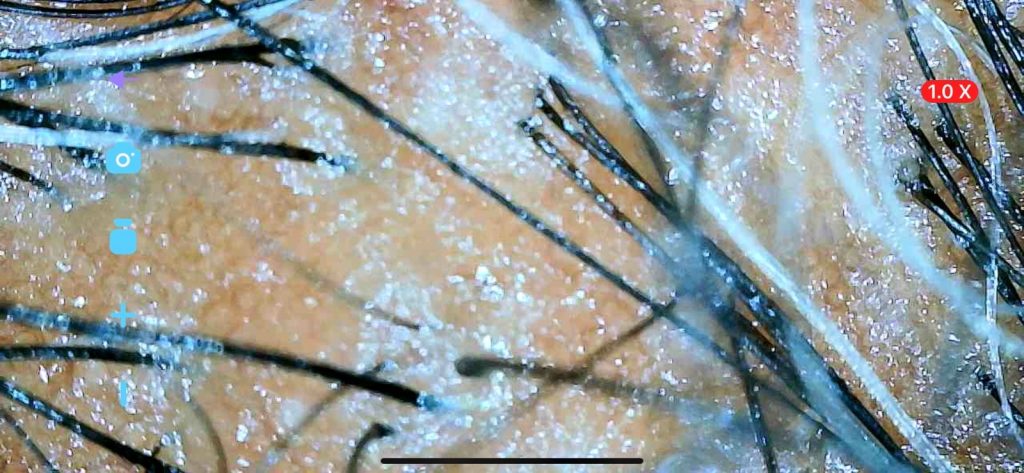
Many of us love the sleek, polished look that edge control creates but few realize the long-term damage it can cause when used excessively or not properly cleansed from the scalp. Edge control products often contain alcohols, waxes, and synthetic polymers that create a tight seal over the follicles. Over time, this buildup can suffocate the scalp, leading to severe dehydration, flakiness, and even blocked follicles.
When this happens, the scalp may feel tight, itchy, or appear dull and scaly. The follicles can seem “closed off” or non-exposed, meaning hair growth and nutrient exchange are interrupted. At this stage, many people turn to detoxifying treatments, thinking it will help but that’s the wrong approach. Detoxing a dehydrated scalp can strip away what little moisture remains, causing more irritation and damage.
???? The Correct Way to Reintroduce Hydration to the Scalp
When the scalp barrier has been compromised by edge control or product buildup, the goal is to repair, rehydrate, and restore—not strip. Here’s how to begin the healing process:
1. Pre-Cleanse with Nourishing Oils
Start with a gentle oil pre-cleanse using light oils such as jojoba, squalane, or argan oil. Massage into the scalp especially the edges for about 5–10 minutes to soften buildup and replenish lost lipids. Rinse with lukewarm water before shampooing.
2. Use a Mild Hydrating Shampoo
Choose a sulfate-free, pH-balanced shampoo that contains glycerin, aloe vera, panthenol, or oat protein. Avoid clarifying or detox shampoos for now your scalp needs comfort and moisture, not deep cleansing.
3. Apply a Scalp Hydration Mask
After shampooing, apply a hydrating scalp mask such as the #thesalonessentials hair loss conditioner focusing from scalp to ends. Cover with a warm steam cap and allow it to penetrate for 10–15 minutes. This helps reopen the follicles gently and reintroduce essential moisture.
4. Daily Scalp Hydration
Introduce a water-based scalp serum to your daily routine. The Althea Gooden Anti-Agent Scalp Serum is an excellent option-it soothes, hydrates, and nourishes the scalp while promoting follicular activity. Apply it to the scalp and edges daily or every other day.
5. Protective Styling and Maintenance
Avoid alcohol-heavy edge controls while the scalp heals. Instead, use natural, moisturizing alternatives with ingredients like Scalp Renew. Always remove buildup regularly to allow the scalp to breathe.
Understanding What’s Happening to the Scalp
This type of scalp dehydration often falls under one of the following trichological conditions:
• Xerosis (Dry Scalp Condition) Severe moisture loss and barrier breakdown.
• Contact Dermatitis Reaction to harsh ingredients found in styling products.
• Dry Seborrheic Dermatitis , Chronic dryness that leads to fine flaking and itching.
• Follicular Occlusion Disorder Buildup blocking the follicles and slowing hair growth.
Each of these conditions requires gentle care, moisture therapy, and scalp barrier support not detoxifying treatments.
Professional Advice
If your scalp feels sore, tight, or unusually dry, it’s a sign that your protective barrier has been disrupted. Begin a 4- to 6-week hydration and barrier repair routine. Consider moisture steaming or infrared hydration therapy to restore balance and soften the scalp naturally.
Remember: the scalp, just like the skin, needs consistent nourishment and balance to thrive. With proper care, hydration, and protection, your follicles will begin to breathe again and your hair will thank you for it.
Written by:
Althea Gooden
Board-Certified Trichologist | Wellness Coach
Founder of The Salon & Scalp Clinic
Author of Hair and Scalp Health Do’s and Don’ts – Essential Tips for Lifelong Vibrancy
Visit: ???? www.altheagooden.com
October 10,2025