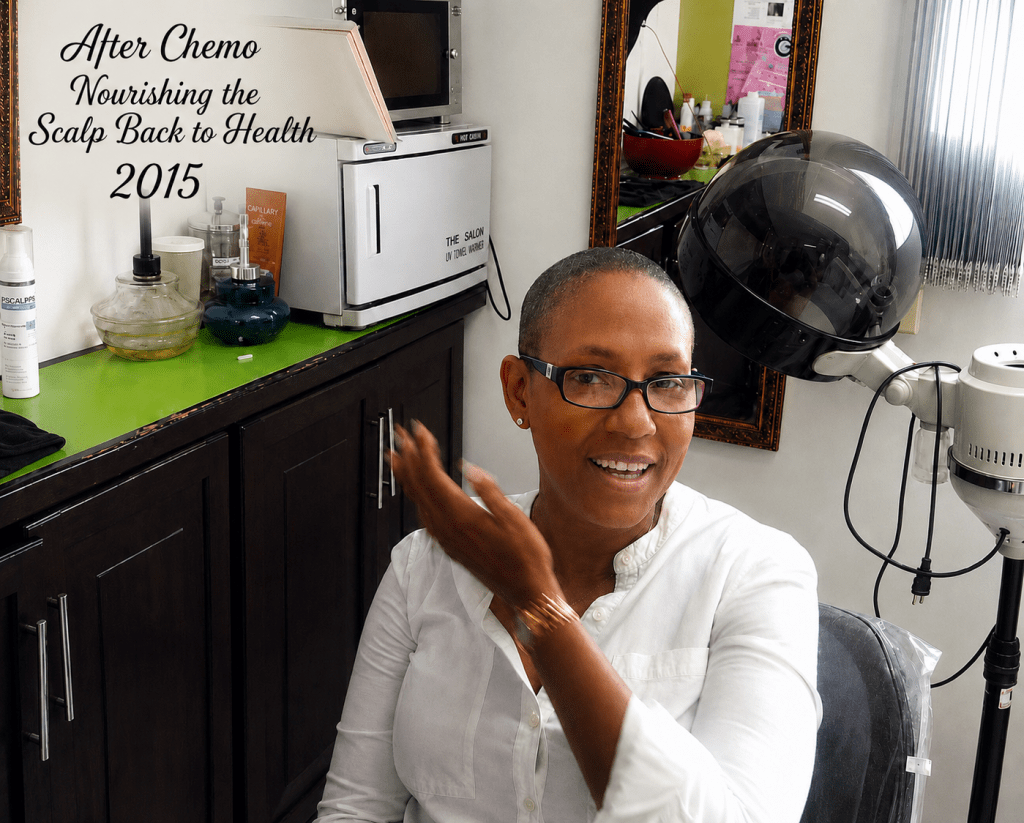
A Journey of Healing, Hope & Restoration
Written by Althea R. Gooden
Founder of The Salon Hair & Scalp Clinic JA
Chemotherapy changes lives in many ways physically, emotionally, mentally, and spiritually. One of the most emotional parts of the recovery journey is the loss of hair and the visible changes to the scalp. For many women and men, hair represents identity, confidence, beauty, and strength.
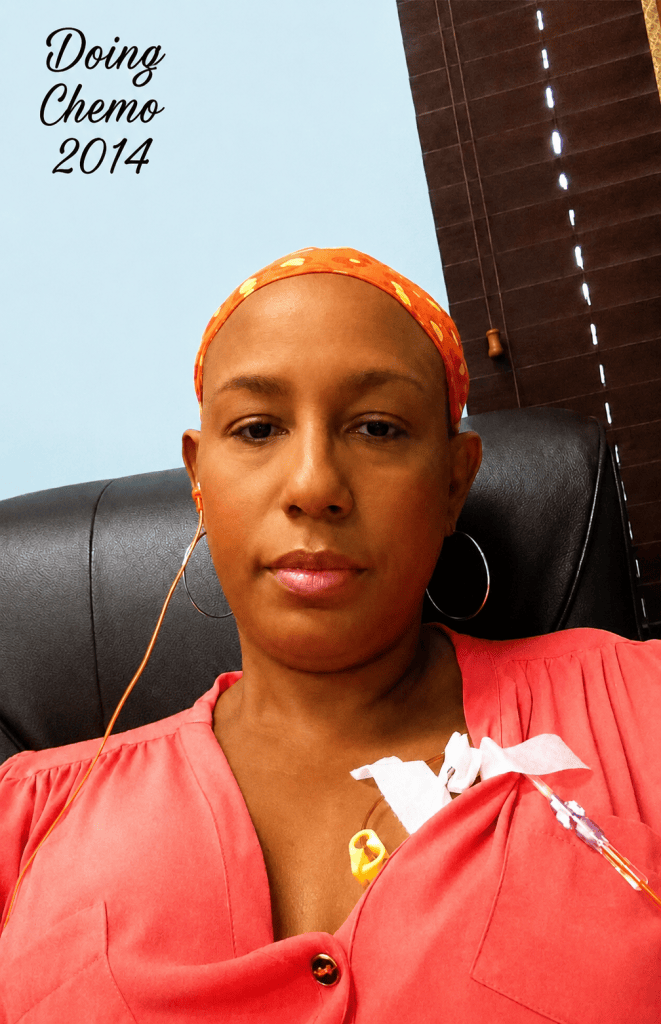
The good news is this: your recovery journey does not end with chemo. This is the beginning of rebuilding, restoring, and renewing your scalp health and hair wellness from the inside out.
As a Trichologist, I always remind my clients not to look back at what was lost, but to look forward to the new growth, the healing of the matrix cells, and the possibility of healthier hair and scalp health moving forward.
Understanding Hair Recovery After Chemo
Chemotherapy targets rapidly dividing cells, including cancer cells but unfortunately, it also affects healthy cells such as the hair matrix cells located deep inside the follicle. These matrix cells are responsible for producing new hair growth.
After chemotherapy:
- Hair may return thinner, softer, curlier, straighter, coarser, or even a different color.
- Some people experience temporary texture changes.
- Others may notice multiple texture changes over the first 12–24 months.
- The scalp may become sensitive, dry, inflamed, flaky, or irritated during recovery.
This is completely normal during the rebuilding phase
What Your Trichologist Should Guide You Through
A professional Trichologist should support you through:
- Scalp analysis and monitoring
- Rebuilding scalp circulation
- Supporting follicle recovery
- Reducing inflammation
- Nutritional support guidance
- Hair texture transition care
- Emotional support and reassurance
- Creating a personalized aftercare routine
Recovery is not just about hair growth it is about restoring scalp wellness and confidence.
What You SHOULD Do After Chemotherapy
Nourish Your Body From Within
Healthy hair recovery begins internally. Your follicles need oxygen, minerals, vitamins, hydration, and protein support.
Recommended Vitamins & Minerals
Always consult your doctor before beginning supplements after chemotherapy.
Morning Routine (After Breakfast)
- Biotin
- Vitamin D3
- Iron (only if deficient)
- Zinc
- B-Complex Vitamins
Midday
- Omega-3 fatty acids
- Collagen peptides
- Hydration with water and electrolytes
Evening Routine
- Magnesium
- Vitamin C
- Protein-rich meal support
Foods That Support Hair Recovery
Include:
- Leafy greens
- Salmon
- Eggs
- Pumpkin seeds
- Avocados
- Berries
- Lean proteins
- Plenty of water
Hair recovery is deeply connected to nutrition, circulation, hormones, and emotional wellness.
Your Healthy Scalp Routine After Chemo
Shampoo Routine
Use a nourishing sulfate-free shampoo 1–2 times weekly to avoid scalp dryness and irritation.
Your shampoo should:
- Calm inflammation
- Restore moisture
- Support scalp barrier repair
- Improve scalp comfort
Scalp Care
Massage the scalp gently for 3–5 minutes daily to stimulate blood flow and support circulation to the follicles.
Use lightweight nourishing scalp serums that contain:
- Peptides
- Botanical extracts
- Anti-inflammatory ingredients
- Hydrating oils
Avoid heavy grease or clogging products.
What You SHOULD NOT Do
Avoid:
- Tight hairstyles
- Chemical relaxers too early
- Harsh coloring services
- Excessive heat styling
- Scratching the scalp
- Heavy extensions during fragile regrowth
- Overwashing the scalp
Your follicles are rebuilding and need time, patience, and gentle care.
The Emotional Trauma of Hair Loss
One of the hardest parts of recovery is the emotional “what if.”
- What if my hair never comes back?
- What if it grows differently?
- What if people look at me differently?
These feelings are real and valid.
But healing also means learning to embrace the new version of yourself with grace and patience. Hair recovery after chemotherapy is not just cosmetic it is emotional restoration.
Your healing journey deserves compassion.
Do not compare your recovery to someone else’s timeline. Every scalp heals differently. Every follicle responds differently.
Looking Forward — Not Backward
The goal is not to chase the old version of your hair.
The goal is to create a healthier foundation moving forward.
Many clients eventually experience:
- Stronger scalp awareness
- Better hair care habits
- Healthier nutrition
- Greater appreciation for wellness
- Emotional resilience
This is your rebuilding season.
Essential Lifelong Scalp Wellness Tips
DO:
- Stay hydrated
- Eat balanced meals
- Protect your scalp from direct sun
- Keep follow-up appointments
- Use gentle products
- Prioritize emotional wellness
DON’T:
- Rush chemical services
- Ignore scalp irritation
- Overload the scalp with products
- Compare your journey
Continue Your Hair & Scalp Recovery Journey
You can learn more about scalp and hair recovery after chemotherapy in:
Hair & Scalp Health: Do’s & Don’ts — Essential Tips for Lifelong Vibrancy & Wellness
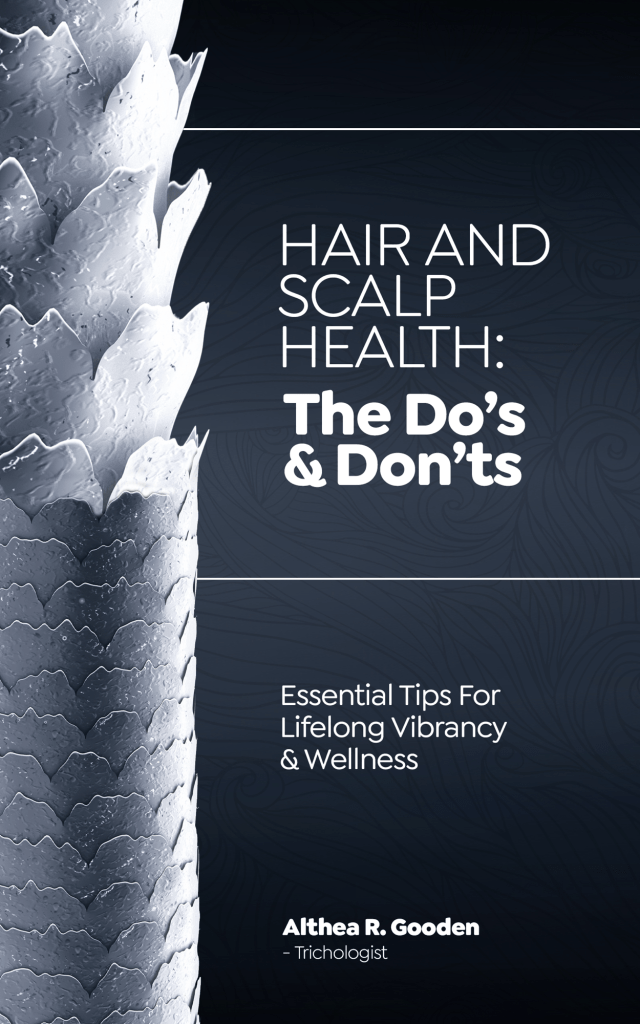
By Althea R. Gooden
Available on Amazon
For professional scalp and hair consultations, visit:
The Salon Hair & Scalp Clinic JA
Healing begins from the inside out — and your scalp deserves patience, nourishment, and care.