
By Althea Gooden, Board-Certified Trichologist
Have you noticed white flakes on your shoulders, persistent itching, or an irritated scalp? Many people assume they have dandruff and reach for the first anti-dandruff shampoo they see. However, not all scalp flakes are caused by dandruff. Dry scalp, psoriasis, and eczema can produce similar symptoms, but each condition has a different cause and may require a different approach.
Treating the wrong condition can delay improvement and sometimes make symptoms worse. That’s why obtaining the correct diagnosis is the first step toward restoring a healthy scalp.
Dandruff
Dandruff is one of the most common scalp conditions. It is usually associated with an overgrowth of naturally occurring yeast (Malassezia) and increased oil production.
Common Symptoms
- White or yellow flakes
- Mild itching
- Oily scalp
- Flakes on clothing
- Little or no redness
Dandruff often responds well to medicated or professionally formulated anti-dandruff shampoos.
Dry Scalp
A dry scalp occurs when the skin lacks adequate moisture.
Common Symptoms
- Small, dry white flakes
- Tight feeling after shampooing
- Mild itching
- Dry skin on other parts of the body
Dry scalp usually improves with gentle cleansing, hydration, and moisturizing scalp care.
Scalp Psoriasis
Psoriasis is an autoimmune condition that causes skin cells to build up too quickly.
Common Symptoms
- Thick, silvery scales
- Red, raised plaques
- Intense itching
- Cracked or bleeding skin
- Patches extending beyond the hairline
Scalp psoriasis often requires medical management and should be evaluated by a dermatologist or healthcare provider.
Scalp Eczema
Scalp eczema is an inflammatory condition that weakens the scalp’s protective barrier.
Common Symptoms
- Persistent itching
- Redness
- Dryness
- Tender scalp
- Flaking
- Burning sensation
- Occasional weeping or crusting
Stress, allergies, harsh hair products, weather changes, and a disrupted scalp pH can all trigger eczema flare-ups.
Why a Professional Diagnosis Matters
Although these conditions may look similar, they are not treated the same way.
As a Board-Certified Trichologist, I perform a detailed scalp analysis to identify the underlying cause of your symptoms and develop a personalized scalp care plan. Monitoring your progress helps ensure that your scalp remains healthy and that any changes are addressed early.
Supporting Scalp Eczema with The Salon essentials Anti-Dandruff System
One of the most effective supportive scalp care products I have found for managing eczema-prone scalps is The Salon essentials Anti-Dandruff System, which I developed as a Board-Certified Trichologist.
The system is formulated to:
- Gently cleanse the scalp without excessive drying
- Help remove visible flakes and buildup
- Support the scalp’s natural pH balance
- Calm scalp irritation
- Promote a healthier scalp environment
- Support the skin’s protective barrier
While scalp eczema is a chronic condition and no shampoo can claim to cure it, maintaining a clean, balanced scalp may help reduce irritation and support long-term scalp wellness as part of a professional care plan.
When Should You See a Trichologist?
Schedule a scalp consultation if you experience:
- Persistent itching
- Recurring flakes
- Red or inflamed scalp
- Hair thinning associated with scalp inflammation
- Symptoms that do not improve with over-the-counter products
Early assessment and proper treatment can help prevent ongoing irritation and support healthier hair growth.
Healthy Hair Starts with a Healthy Scalp
Your scalp deserves the same care and attention as the rest of your skin. Whether your concern is dandruff, dry scalp, psoriasis, or eczema, receiving the correct diagnosis is the key to successful treatment.
If you’re struggling with ongoing scalp discomfort, book a consultation with a Board-Certified Trichologist and begin your journey toward a healthier scalp and healthier hair.
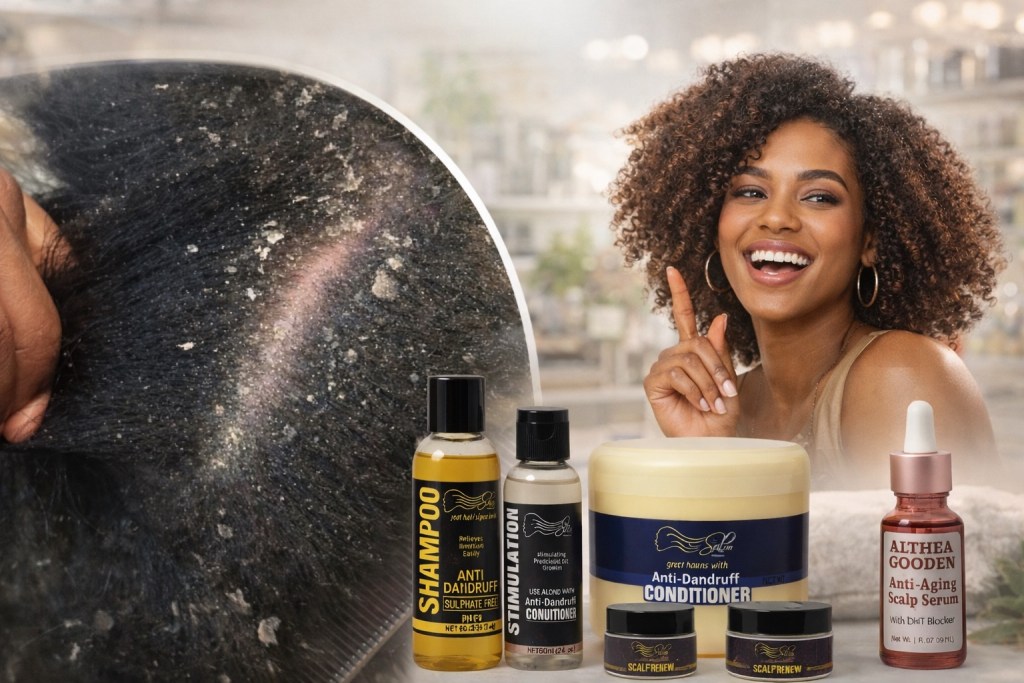
The Salon essentials anti-dandruff system