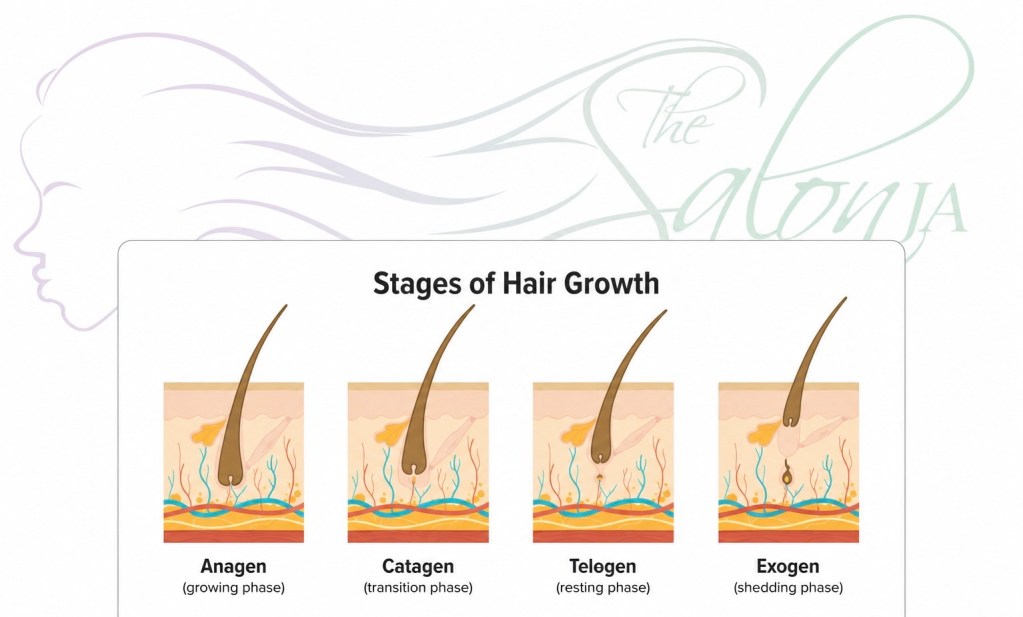
One of the most common concerns I hear in my clinic is, “Am I experiencing hair loss or hair breakage?” Although the two conditions may appear similar, they are very different and require different approaches to treatment and prevention. Understanding the difference is the first step toward achieving healthier hair.
Hair Breakage vs. Hair Loss
Hair breakage occurs when the hair shaft snaps or fractures along its length. The hair is still growing from the follicle, but the strands become weak and break before reaching their full length. This often results in uneven lengths, frayed ends, and difficulty retaining hair growth.
Hair loss, on the other hand, occurs when the entire hair strand is shed from the follicle. This can lead to thinning areas, widening parts, or noticeable reduction in hair density. Hair loss may be temporary or permanent, depending on the underlying cause, and should be properly evaluated by a qualified professional.
Different Types of Hair Breakage
Mechanical Hair Breakage
Mechanical damage results from physical stress placed on the hair. Common causes include:
- Excessive brushing or combing
- Tight braids, ponytails, and extensions
- Rough towel drying
- Sleeping without protecting the hair
- Frequent use of heat styling tools
- Improper detangling techniques
Preventing mechanical breakage involves handling the hair gently, using wide-tooth combs, minimizing tension, and protecting the hair during sleep.
Chemical Hair Breakage
Chemical services alter the structure of the hair and can weaken its protein bonds if not performed or maintained correctly. Examples include:
- Relaxers
- Permanent coloring
- Bleaching
- Texturizers
- Chemical straightening treatments
When chemicals are overused or improperly timed, the hair becomes porous, fragile, and prone to snapping.
Nutritional Deficiency-Related Breakage
Healthy hair depends on proper nutrition. Deficiencies in essential nutrients can weaken the hair fiber and contribute to excessive breakage. Low levels of protein, iron, zinc, vitamin D, and certain B vitamins may affect hair strength and overall quality.
While nutrition alone does not explain every case of breakage, maintaining a balanced diet and addressing deficiencies can support healthier hair growth and resilience.
Relaxers: Timing Matters
As a Trichologist, I recommend that relaxers generally be applied every 10 to 12 weeks, depending on the individual’s rate of hair growth and hair length. Relaxing the hair too frequently can cause overlapping onto previously relaxed hair, leading to severe weakening and breakage.
Proper timing allows sufficient new growth while minimizing unnecessary chemical stress on previously processed hair.
The Importance of Rebuilding the Hair After a Relaxer
A chemical service should never end when the relaxer is rinsed out. Healthy hair requires ongoing restorative care.
Immediately After Your Relaxer
Following the relaxer service, incorporate a rebuilding treatment to strengthen the hair and restore proteins that may have been compromised during processing. This helps improve elasticity and reduce future breakage.
Two Weeks Before Your Next Chemical Service
Approximately two weeks before your next relaxer or other chemical treatment, perform a bond repair treatment. Bond repair technologies help reinforce weakened internal hair bonds and prepare the hair to better withstand future chemical processing.
These treatments should not be viewed as optional luxuries—they are preventive maintenance that helps preserve the integrity of the hair.
Prevention Is Better Than Repair
The best treatment for hair breakage is prevention. Healthy hair care should include:
- Scheduling relaxers appropriately (every 10–12 weeks when suitable)
- Using rebuilding treatments after chemical services
- Performing bond repair treatments before future chemical services
- Moisturizing and conditioning regularly
- Limiting excessive heat styling
- Handling the hair gently during washing and styling
- Seeking professional guidance for chemical treatments
A Trichologist’s Perspective
As a Trichologist, I firmly believe that chemical services should be performed under professional care and guidance. Every individual’s hair and scalp condition is different, and treatment plans should be tailored accordingly. Preventive care is far more effective than trying to repair extensive damage after it has occurred.
Healthy hair is not simply about style it’s about maintaining the strength and integrity of the hair fiber through education, proper techniques, and consistent professional care.